Wedding Photography Contract Template (Free, ESIGN-Ready)
A ready-to-use wedding photography contract template covering deposits, deliverables, cancellation, and copyright — send it for e-signature the moment a couple says yes.
A ready-to-use wedding photography contract template covering deposits, deliverables, cancellation, and copyright — send it for e-signature the moment a couple says yes.

Your wedding photography contract template needs three things to actually protect you: clear deposit terms, an explicit cancellation policy, and both parties' signatures before you decline other inquiries for that date. Miss any one and you're relying on an email thread to prove what was agreed.
This template covers all of it — designed to be sent for e-signature the moment a couple says yes.
The photography industry has drifted toward massive multi-page contracts that take a lawyer to read. Couples glaze over. Signatures get delayed. Dates stay unbooked.
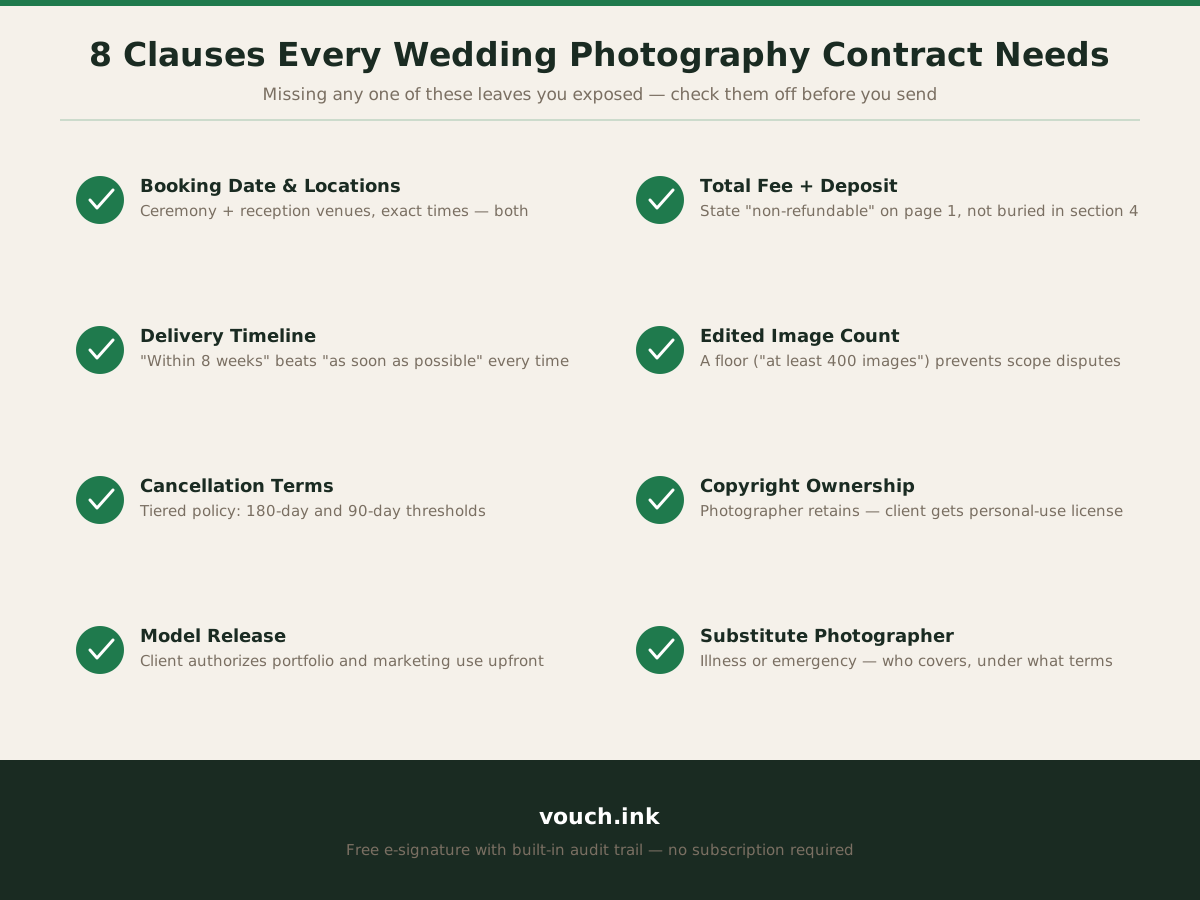
A tighter contract signed fast beats a comprehensive one signed never. These eight sections are what actually matter:
| Contract Section | What It Protects | Notes |
|---|---|---|
| Booking date, time & locations | Scope of the shoot | List ceremony and reception venues separately |
| Total fee + deposit amount | Payment expectations | State "non-refundable" in this row — not buried on page 4 |
| Delivery timeline | Client expectations | "Within 8 weeks" beats "as soon as possible" every time |
| Edited image count | Scope creep | A floor ("at least 400 fully edited images") prevents disputes |
| Cancellation & rescheduling | Deposit protection | Cover both client-initiated and photographer-initiated scenarios |
| Copyright ownership | Usage rights | Photographer retains copyright; client gets personal-use license |
| Model release | Portfolio use | Couples often overlook this — address it upfront |
| Substitute photographer | Force majeure | Illness, emergency — who steps in and under what terms |
Any clause not in this table can wait for your second contract revision.
The deposit clause is the one photographers most often get wrong — not because they write it badly, but because they bury it.
If your non-refundable language lives on page 3 under "Payment Terms," a client can argue they missed it. Put it on page one, label it clearly, and have the client initial or check a box acknowledging the specific terms.
Here's language that works:
Booking Deposit: A non-refundable booking deposit of $[AMOUNT] is due upon signing. This deposit secures the date exclusively for the Client and will be credited toward the total balance. It is non-refundable regardless of the reason for cancellation.
Three things are doing work in that paragraph: "non-refundable" appears twice, "regardless of the reason" removes wiggle room, and "secures the date exclusively" explains why the deposit exists — which matters when you're making your case to a couple who wants it back.
For a photographer charging $4,800 for full-day coverage, a 40% deposit ($1,920) creates enough commitment that inquiry-to-no-show rates drop noticeably. Couples who've signed and paid show up. Couples who've signed nothing reschedule, delay, or quietly book someone else.
Most templates lump cancellation and rescheduling together. They're not the same thing.
Cancellation means the event isn't happening. Your deposit stays; additional balance obligations depend on timing.
Rescheduling means the date changes. Whether you honor the original price depends on your availability, how far out the change is, and whether your rates have shifted. Those distinctions belong in the contract — not in a tense email thread six months later.
A workable three-tier cancellation structure:
Adjust the percentages to reflect your actual exposure. A destination wedding photographer has different sunk costs than someone shooting local events every weekend.
This is where photographers lose bookings they've already won. The inquiry is warm. The couple is excited. Then a three-day email-and-PDF tag game delays the contract, and a faster photographer swoops in with a signing link.
One photographer in Nashville tracked the numbers: her average time from inquiry to signed contract used to be 4.3 days. After switching to e-signature, it dropped to 6 hours. Her booking rate on first-touch inquiries went up 18% in one quarter — not because her contract changed, but because it got signed before enthusiasm cooled.
Steps to close same-day:
The photographer wedding contract template is a solid starting point if you're building your agreement from scratch — it includes the standard clauses you can adapt directly.
Copyright disputes with wedding clients are rare. Portfolio disputes aren't.
The most common friction isn't "they sued me for ownership" — it's "they don't want me posting their photos." A two-sentence clause handles both:
Photographer retains full copyright ownership of all images. Client receives a personal, non-commercial license to use, share, and print the delivered images for personal use. Commercial use requires written permission from Photographer.
If you want to post to social media and your website, add: "Client grants Photographer permission to display images for portfolio and marketing purposes." If a client wants that removed, treat it as a negotiable line item — not a fight.
For photographers wanting to take the extra step, the U.S. Copyright Office explains the registration process — worth considering if you shoot high volume or license images commercially.
A contract shouldn't take longer to send than it takes a couple to say yes. Fill in the eight sections, put the deposit language on page one, and send it for e-signature the same day they inquire.
At minimum: shooting date and locations, total fee and deposit amount, delivery timeline and number of edited images, cancellation and rescheduling terms, copyright ownership, and a model release. A clear deposit clause locks the date before you decline other inquiries.
In most states it is, when the contract clearly labels the deposit as non-refundable and both parties sign before any services begin. Laws vary by state — review with a local attorney if you're unsure about enforceability in your jurisdiction.
Upload your PDF or paste your contract text into an e-sign tool, add a signature field, and send a signing link by email or text. Your client signs from any device without downloading software or creating an account.
Yes. A well-drafted base contract handles the standard terms while leaving blanks for the specific date, venue, package, and price. Fill those in for each booking and send a fresh signed copy each time.
Your cancellation clause governs this. A standard clause keeps the deposit and may charge a percentage of the remaining balance if cancellation falls within 90 days of the event. The signed contract is your record of the agreed terms.